Our Mission
In practice: Our mission is to conserve Okinawa's marine environment through education, direct actionand public awareness; cooperate with aligned organizations; and connect ocean protection with local food culture, food loss reduction, and youth welfare. The sea remains central to Okinawan identity.

MISSION
Our History
Timeline (latest first), including recent continuity and relaunch preparation from 2020–2026. Use the era filters to show only the period you want.

HISTORY
Future directions — work to explore
Exploration themes we want to develop after relaunch
Food systems & island resilience
To explore: How can Okinawa strengthen local food security (fisheries, mozuku, agriculture) while reducing waste and linking producers, schools, and households? What “Okinawa models” from past food-loss and youth-meal work are worth reviving or redesigning?
Coasts, tourism pressure & marine debris
To explore: What monitoring and storytelling would make overtourism impacts (plastic, reef damage, carrying capacity) visible and actionable? How do we connect ICC-style data, municipal contacts, and volunteer networks without burning out communities?
Marine life, science & protected features
To explore: Where can citizen science, Important Shark and Ray Areas (ISRAs) / species work, and sea-turtle or habitat stories reinforce protection? How do we pair academic partners with local stewards and school programs?
Culture, language & ocean citizenship
To explore: How do Uchinaguchi, arts, and “island pride” narratives translate into durable behavior change—not one-off cleanups? What role for radio and intergenerational mentoring?
Youth, education & institutional partnerships
To explore: How should Junior Ranger–style experiential learning, school campaigns, and UN/IOC-style charters evolve post-2006? Where can we collaborate with FM Okinawa, municipalities, JEAN/Ocean Conservancy-style reporting, and research institutes (e.g. OIST) for credible, bilingual outreach?
Regional network collaboration
To explore: How can we strengthen knowledge exchange and practical collaboration with nearby universities, technical schools, and nonprofit conservation groups in Okinawa and across Asia? We aim to connect local action with academic and NGO networks (for example OIST, University of the Ryukyus, and regional partner organizations) to co-develop credible, community-linked projects.
Media archive
「美ら海を子供たちに」
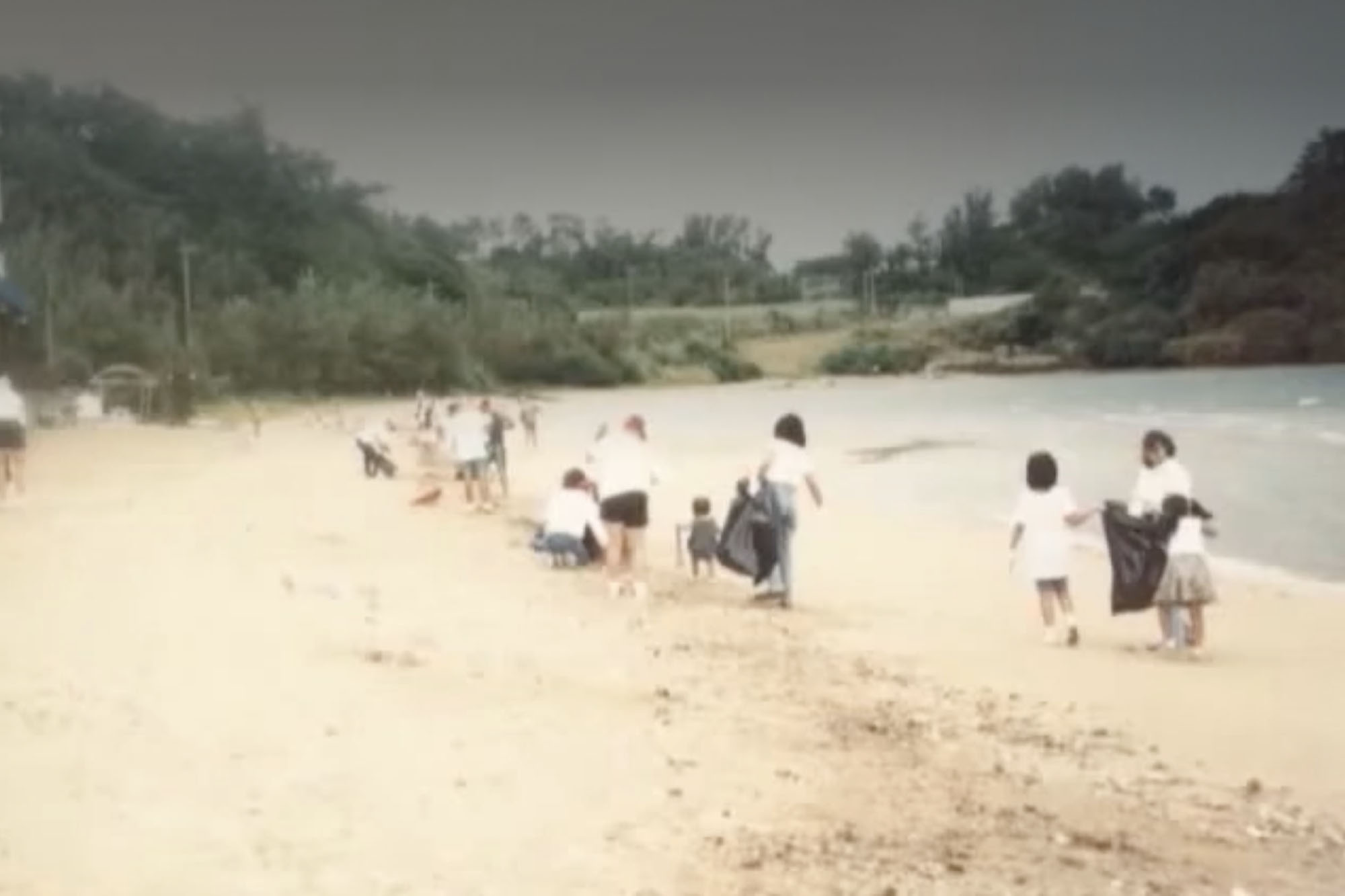
The clips titled 「美ら海を子供たちに」 (Parts 1–2) are documentaries about Okinawa O.C.E.A.N. and the clean-beach movement—narrated coverage of campaigns, founders, education, and related milestones. They were produced around the 2004 recognition period (Ministry of Internal Affairs and Communications). The films sit in our public record next to the current work and awards sections.